Some of the major museum exhibits that I’ve helped bring to life
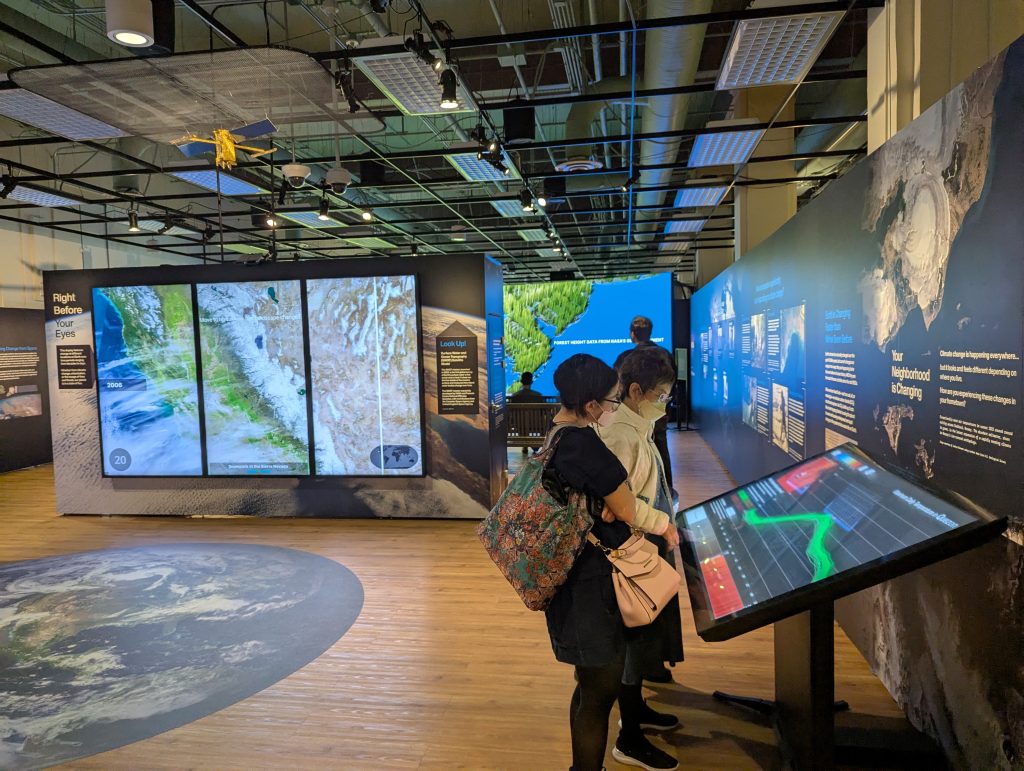
The Earth Information Center at NASA Headquarters . Washington DC . 2023
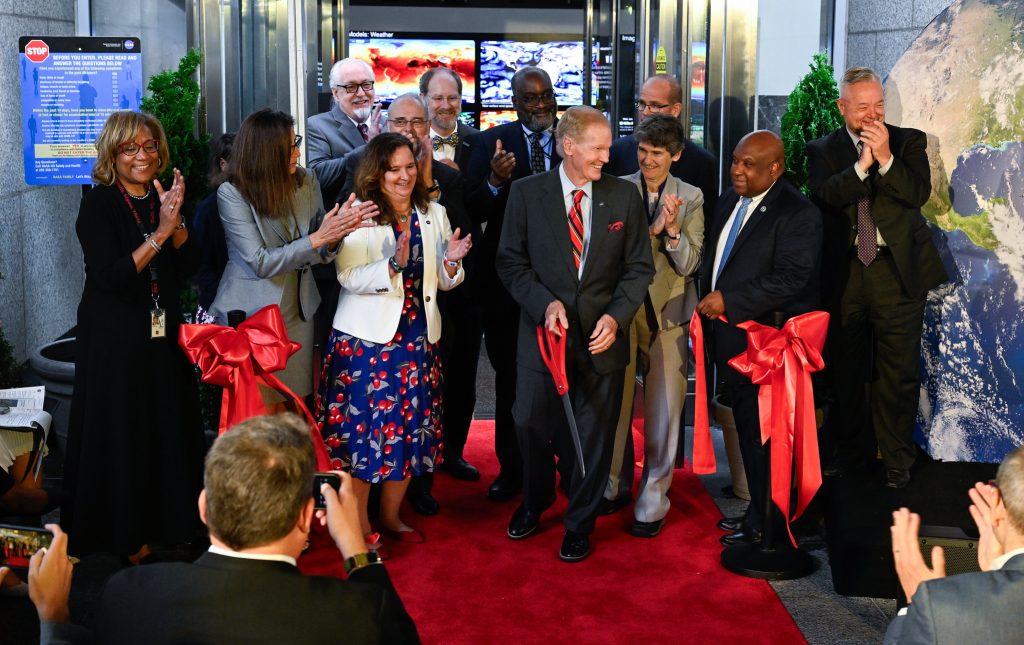
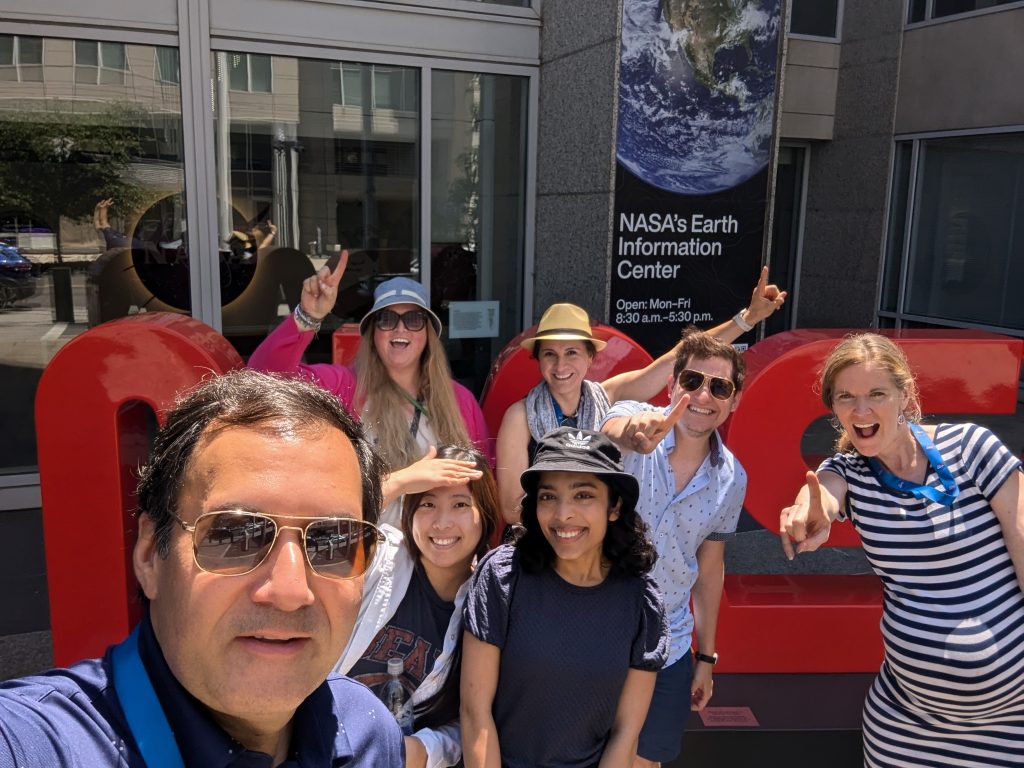
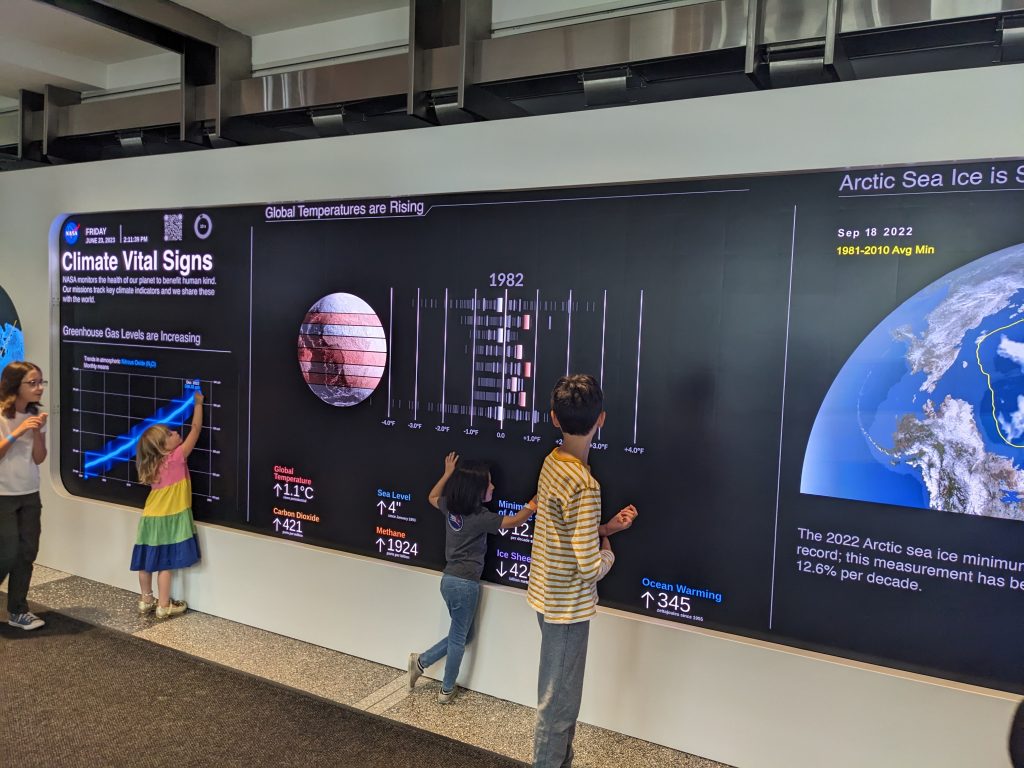
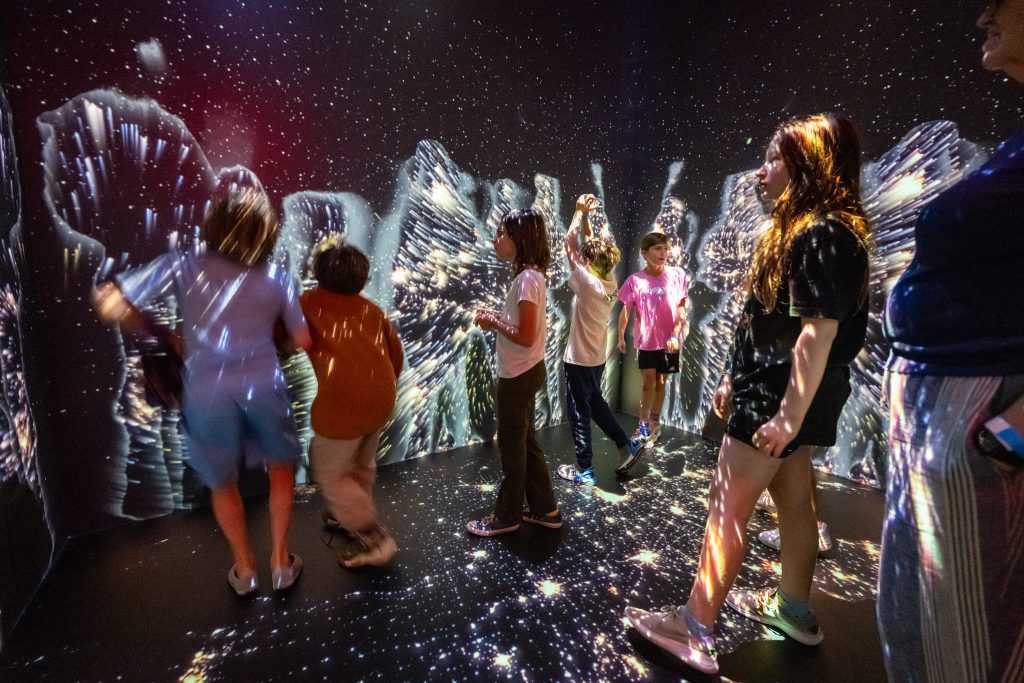
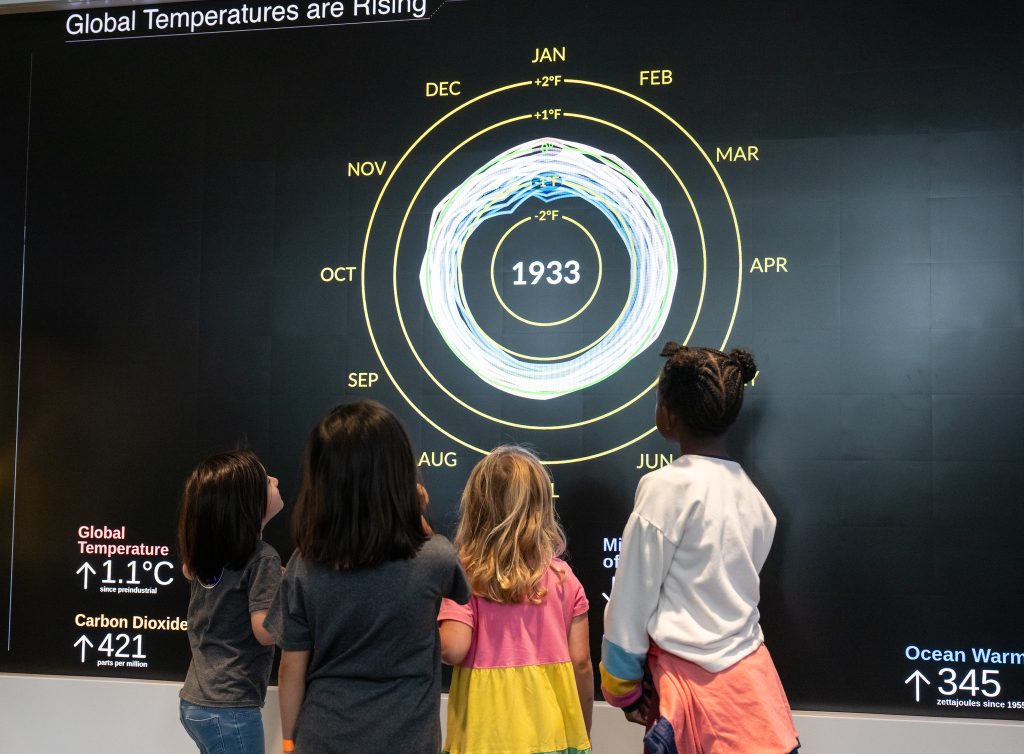
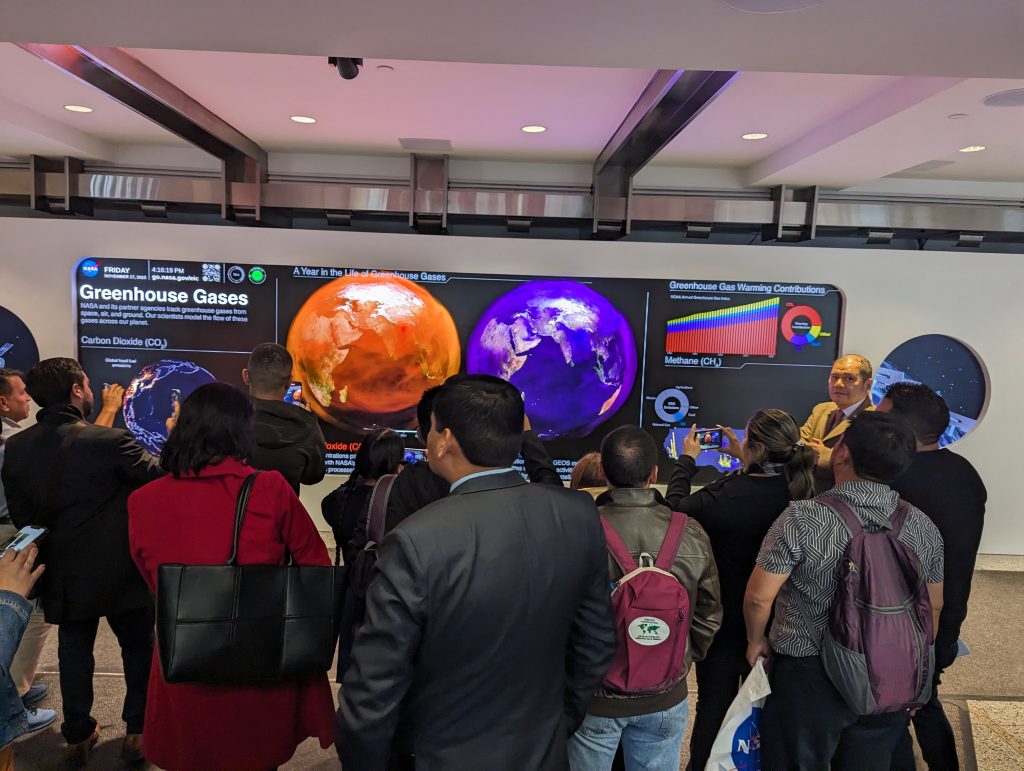
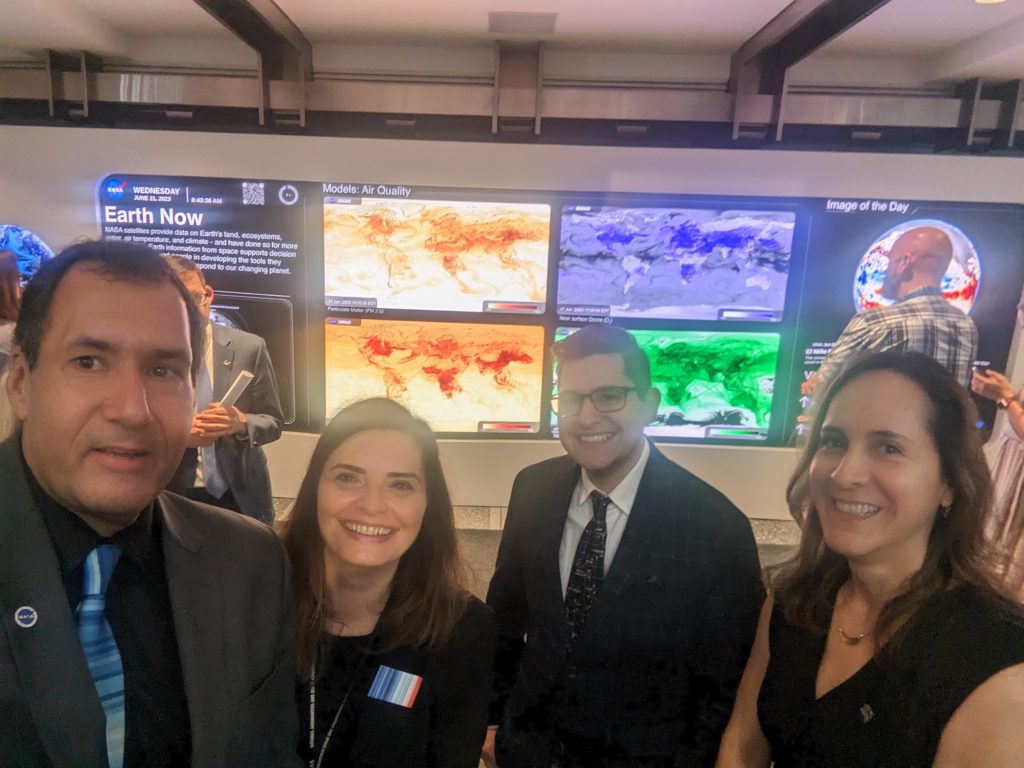
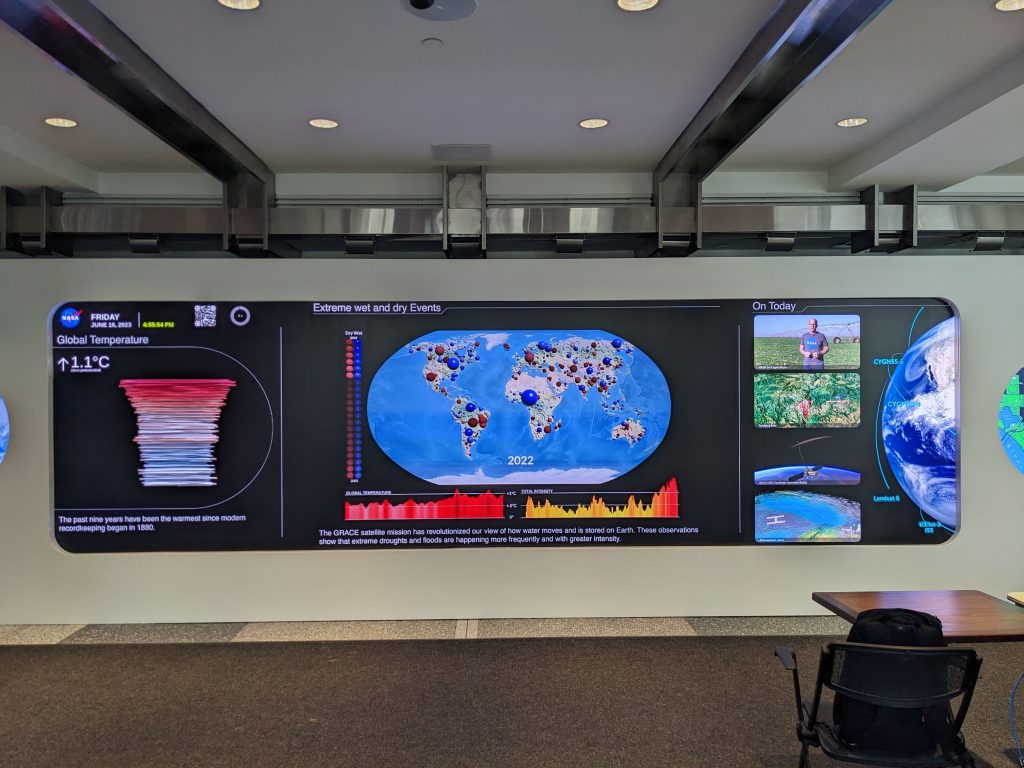
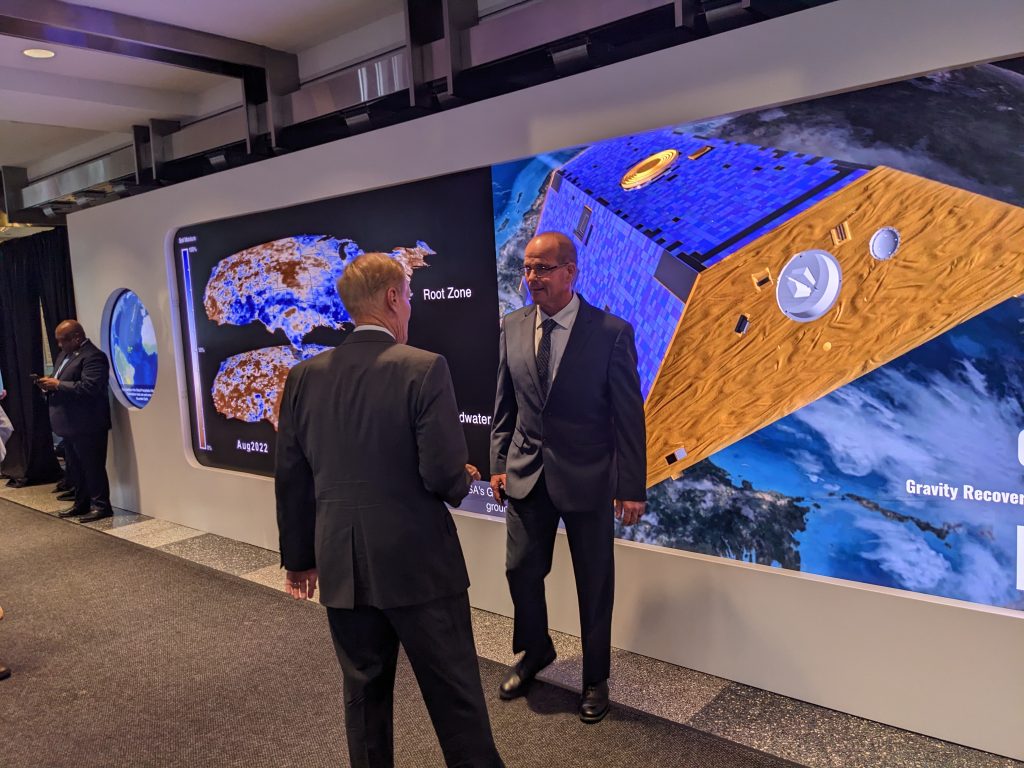
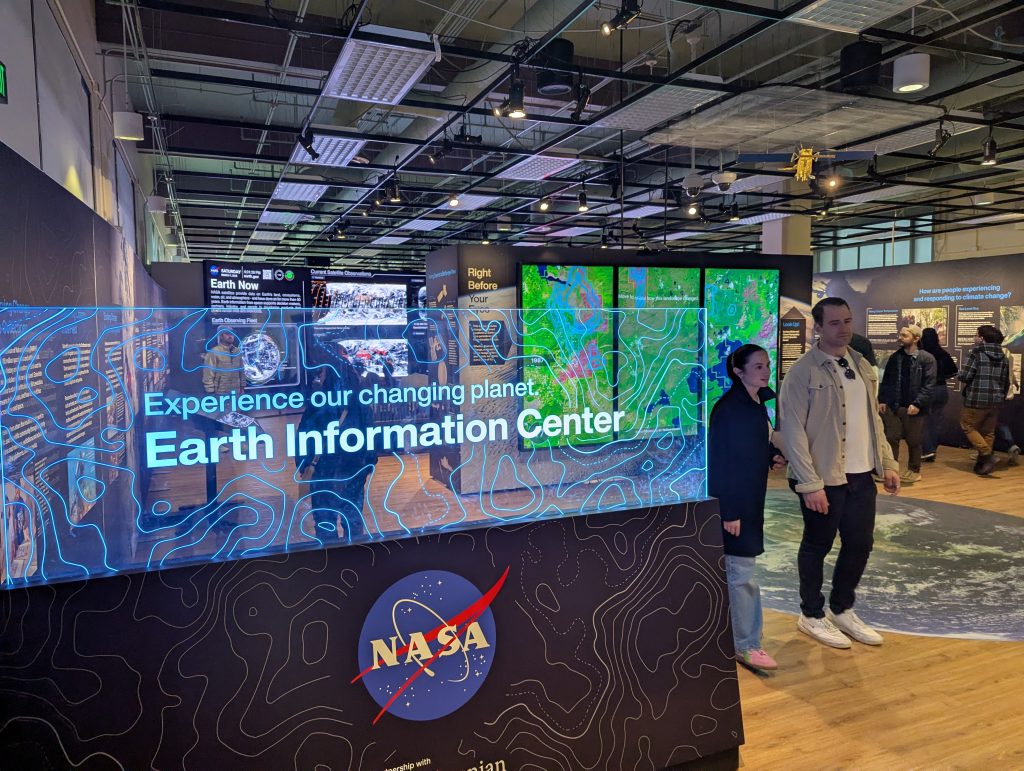
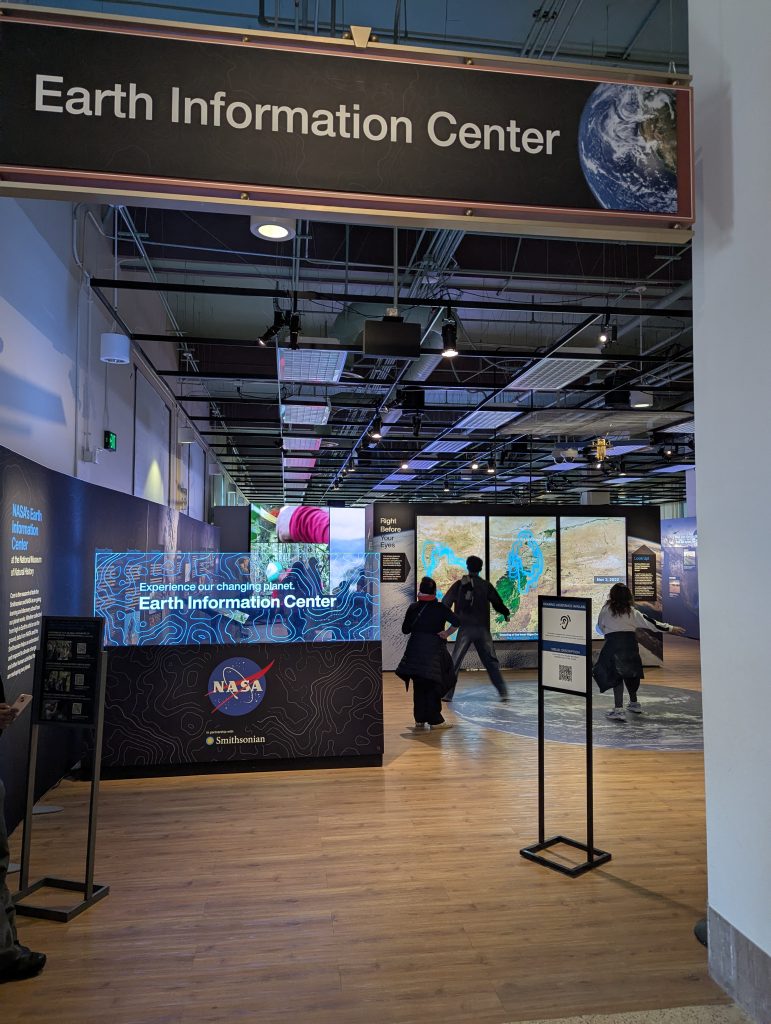
The Earth Information Center at NASA Headquarters presents a near realtime view a variety of Earth observations from NASA and parter agencies. Major Components include:
The Earth Pulse – a data sculpure tracking the flow of data from the Near Space Network
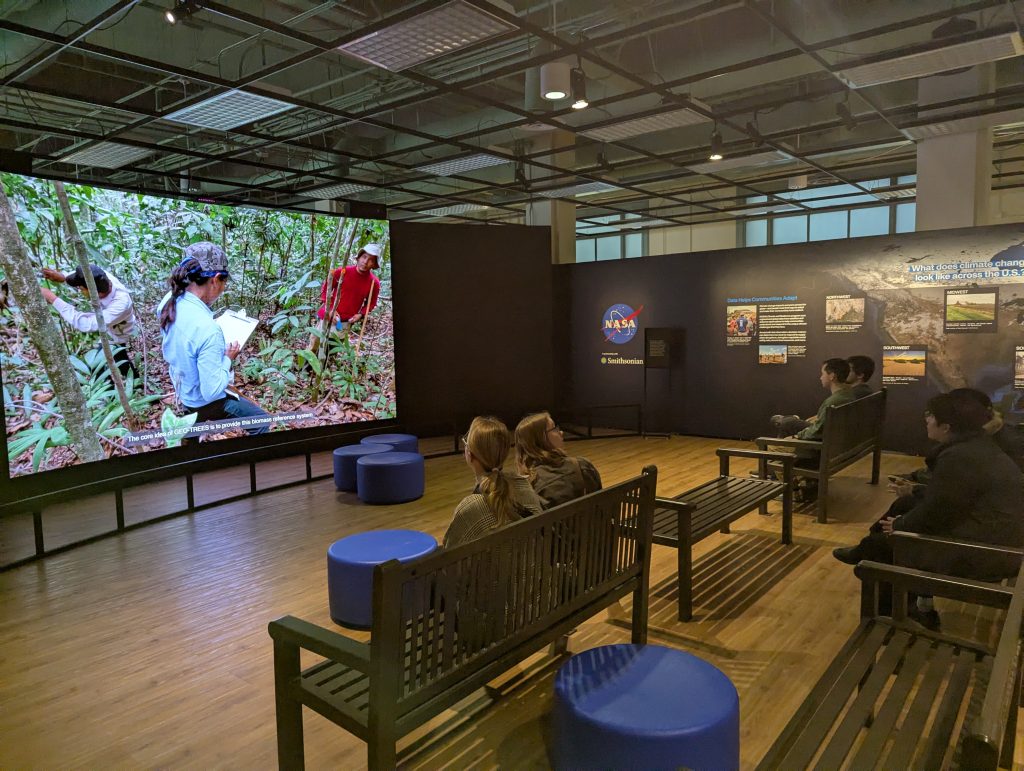
Space for Earth – an immervive experience centered on the ‘Overview Effect’
The Hyperwall – a large data wall featuring awe inspiring visualizations, video stories, and data dashboards.
The SVS team led the development of the Hyperwall and additional interactive experiences.
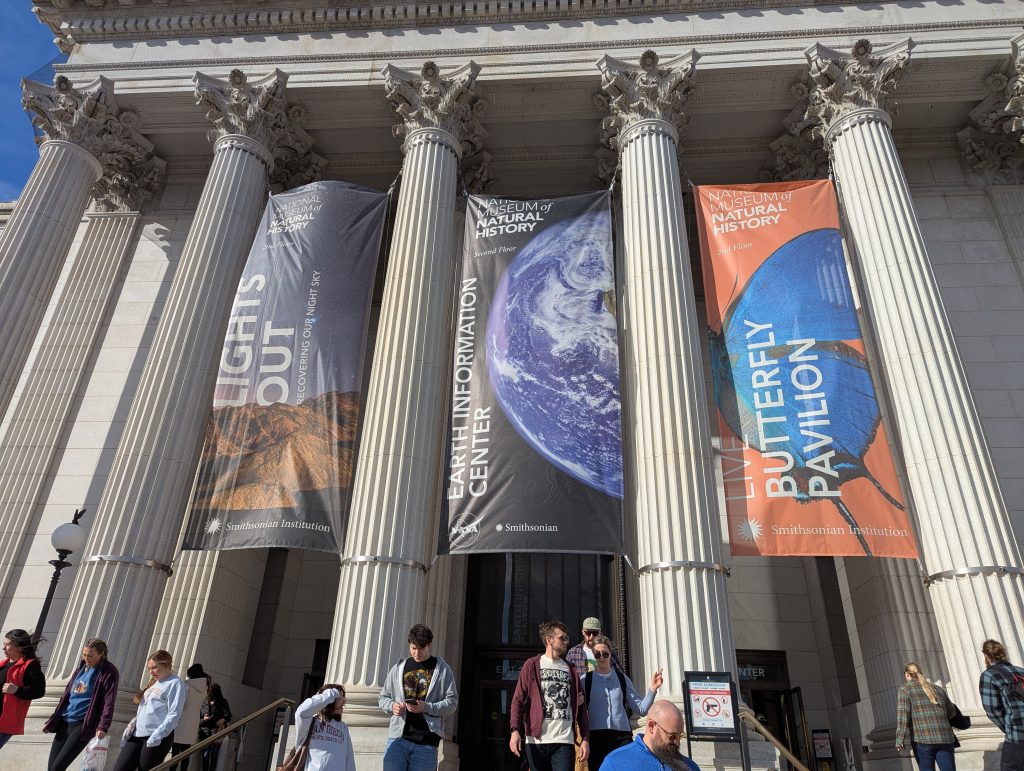
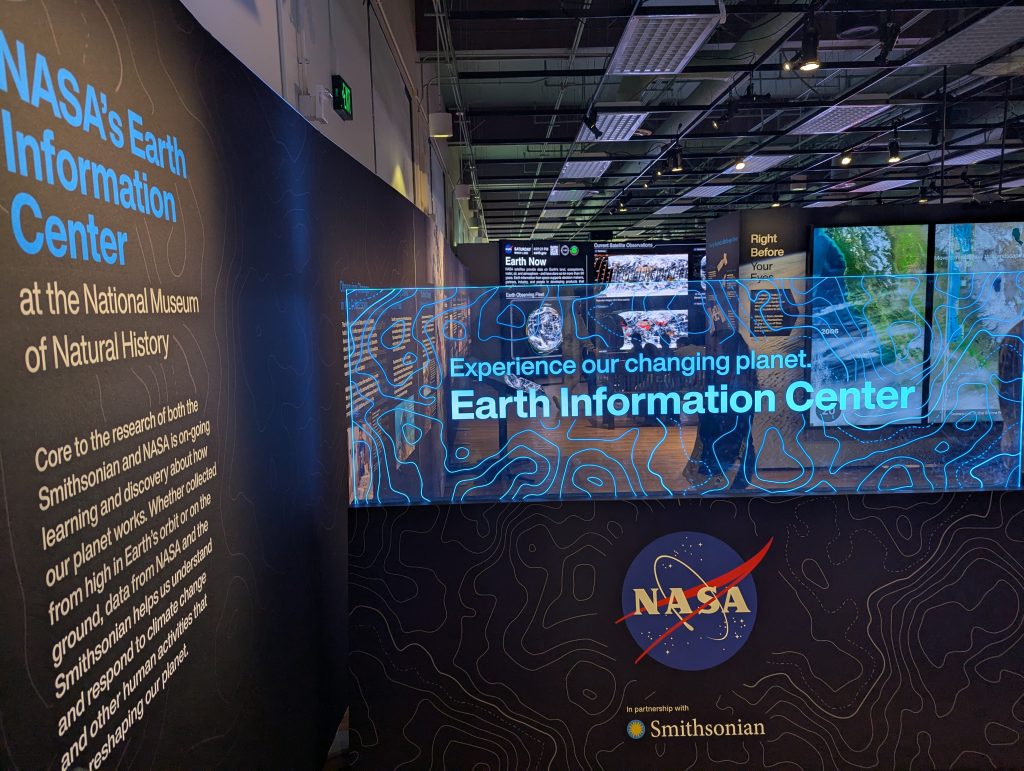
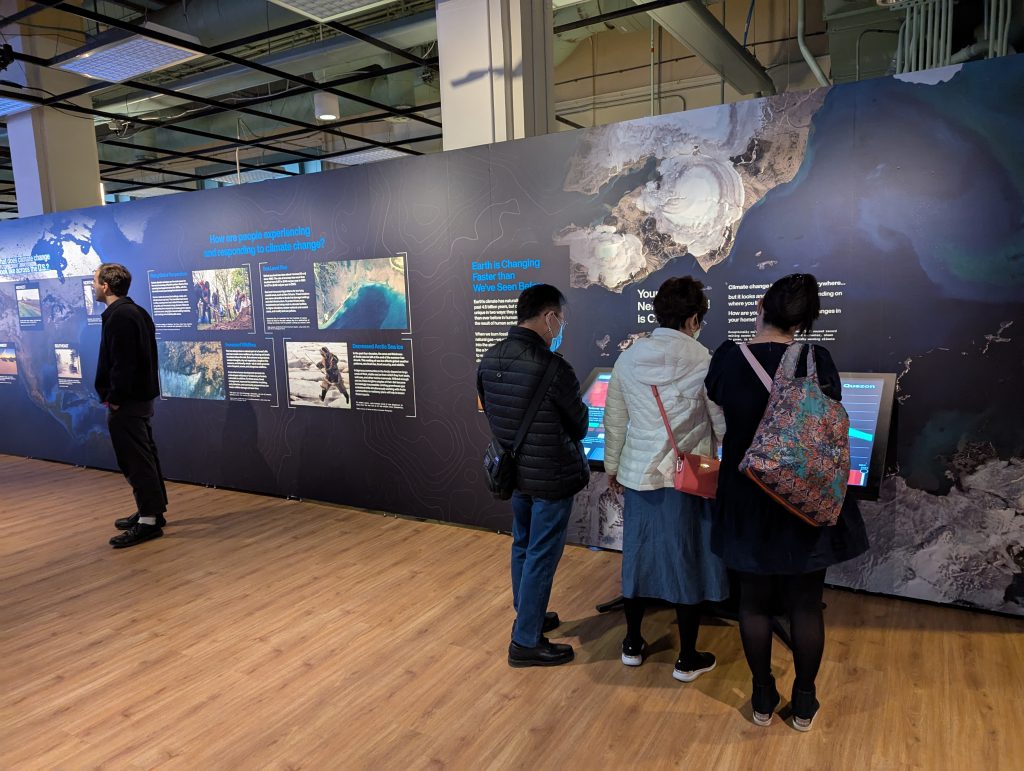
The Earth Information Center at the Smithsonian’s National Museum of Natural History . Washington DC . 2024
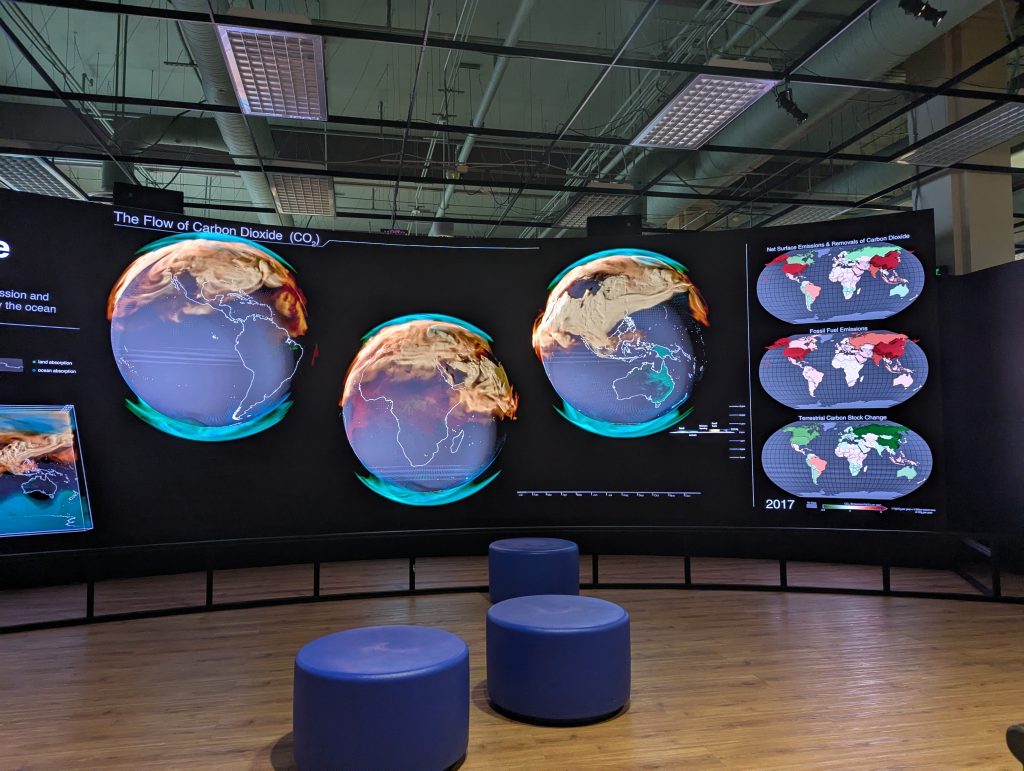
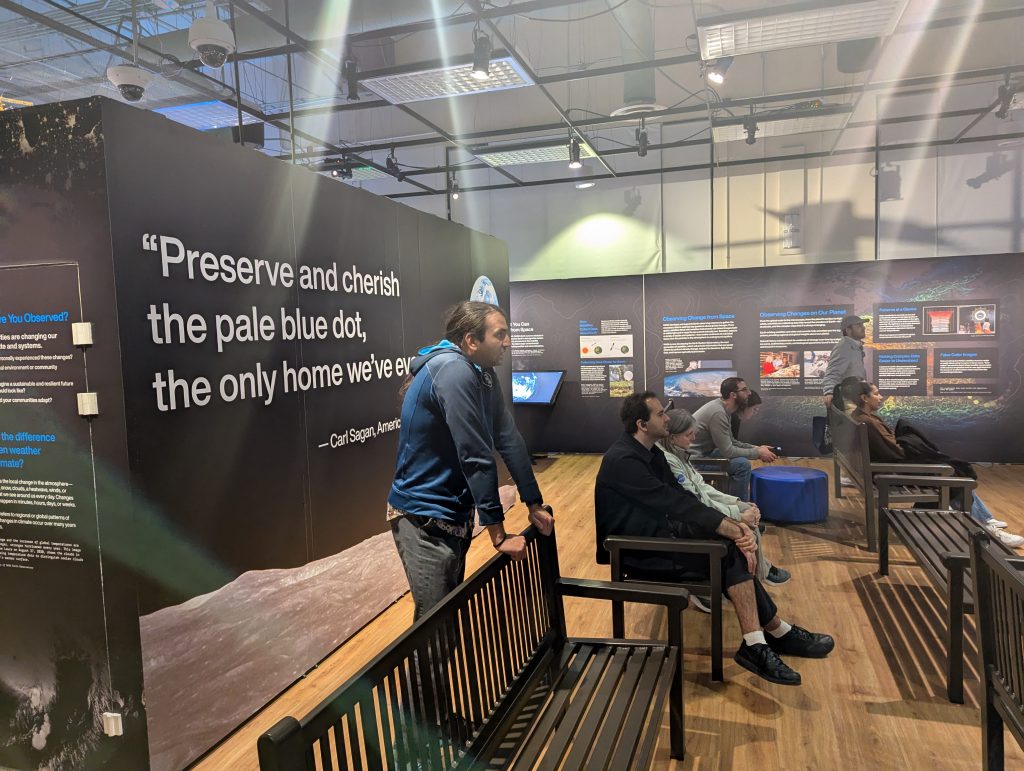
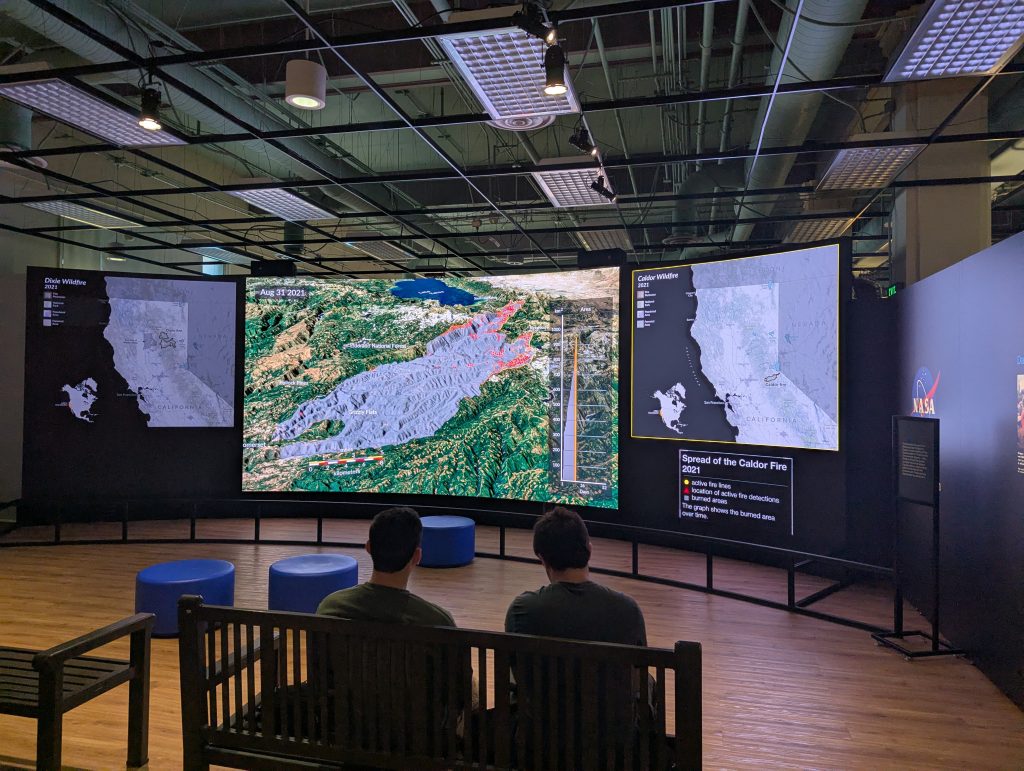
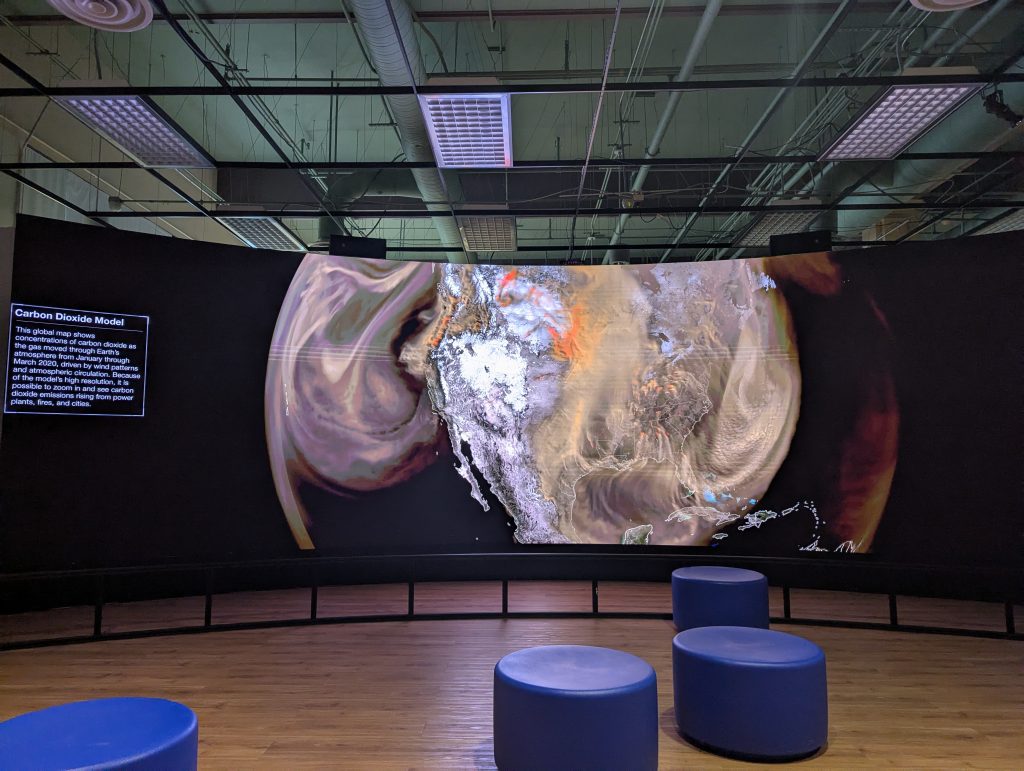
The Universe: A Walk Through Space and Time . Adler Planetarium . Chicago IL . 2012
The Universe: A Walk Through Space and Time is an exhibit at the Adler Planetarium which takes visitors through the history of space and time. From its beginnings at the Big Bang to what we experience today, the exhibit explains the theory of how stars, planets, galaxies, and the atoms in your body came to be.
This exhibit was awarded Silver MUSE award for Multimedia Installations in 2013 and the Association of Licensed Arhcitects Gold Award in 2012
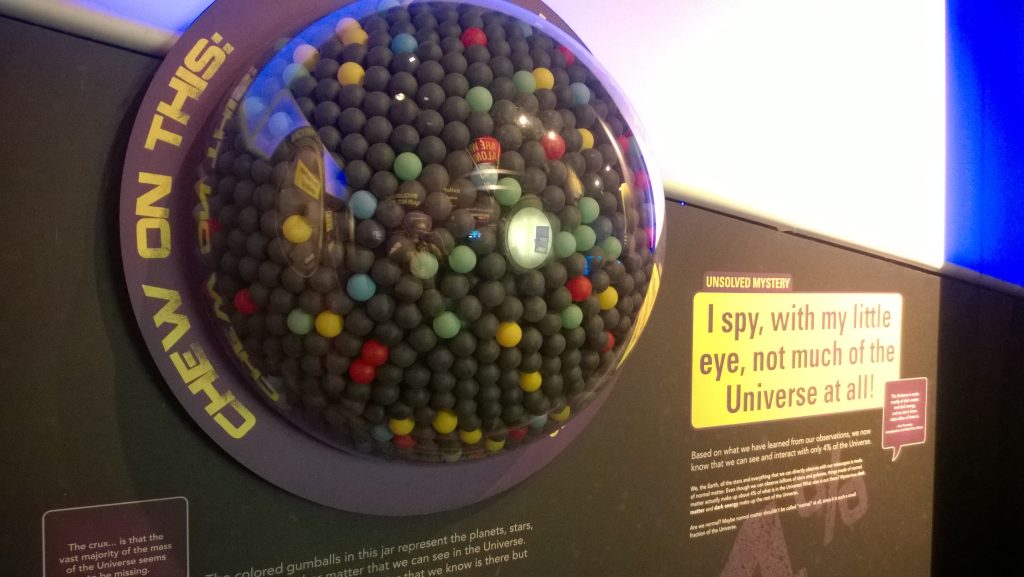
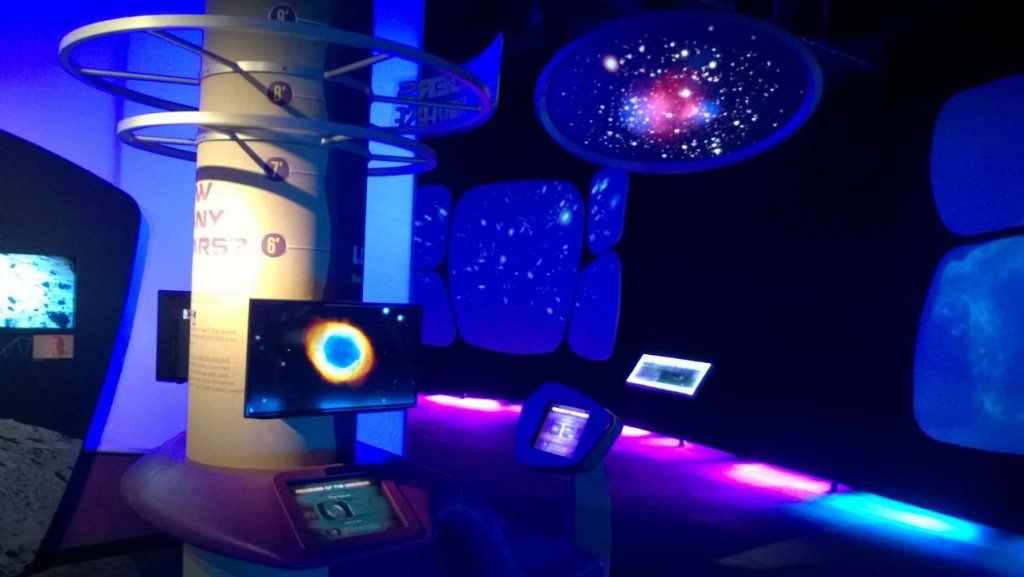
below is a video produced by M1 Interactive a company that helped develop content for the exhibit.
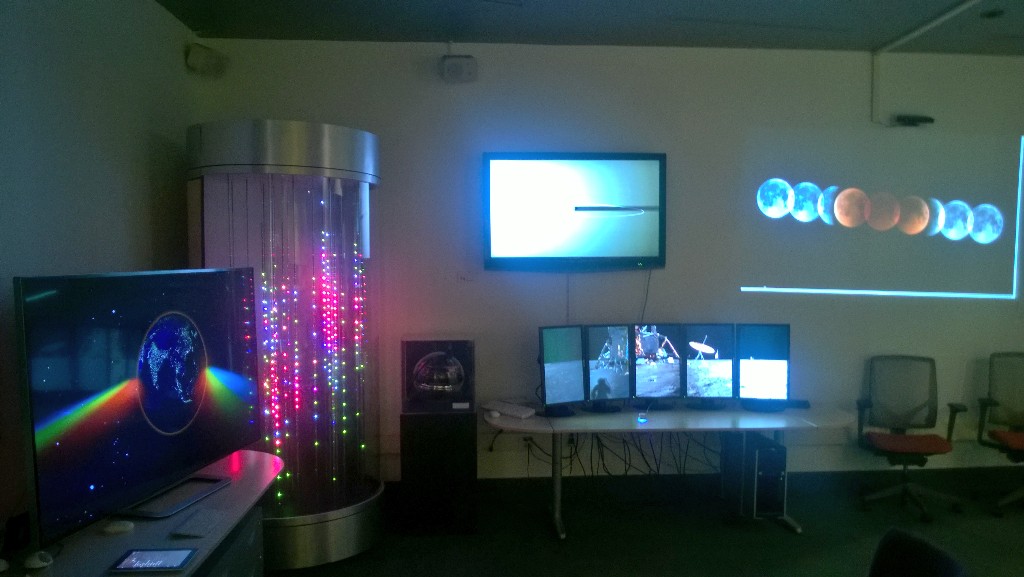
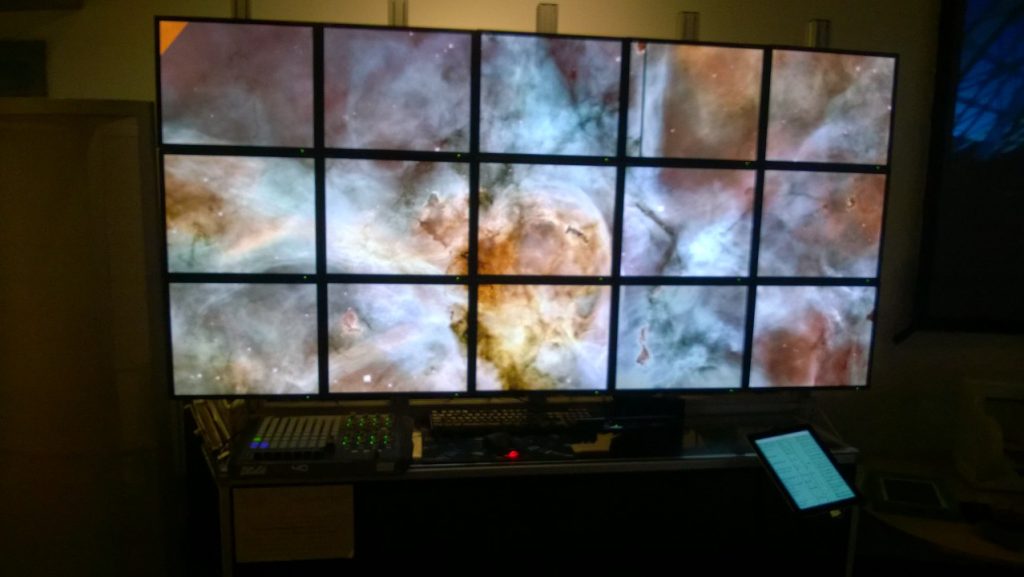
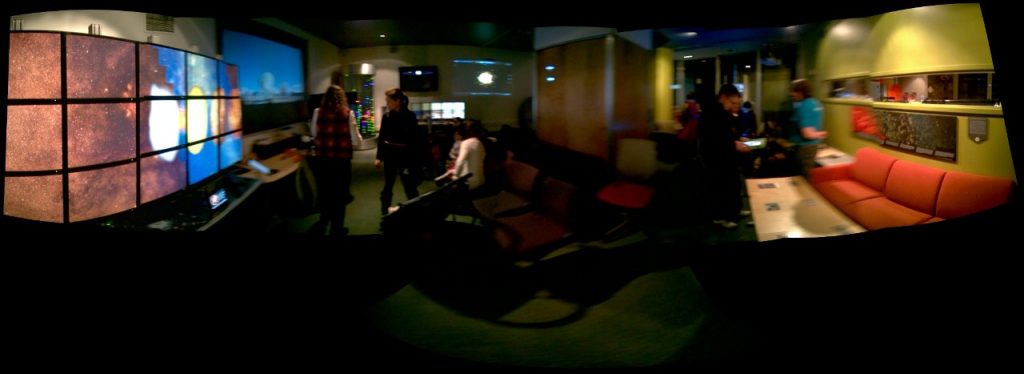
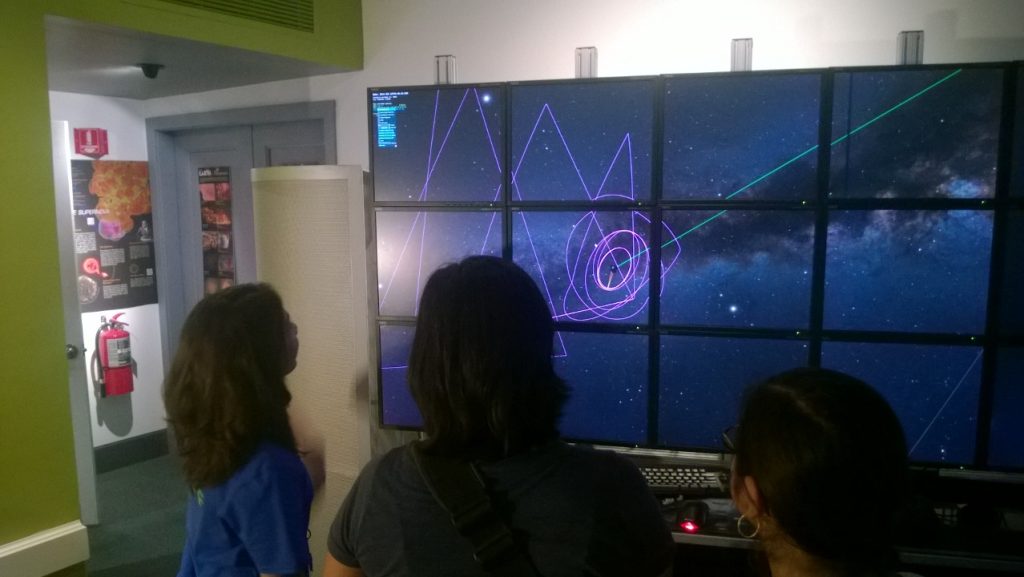
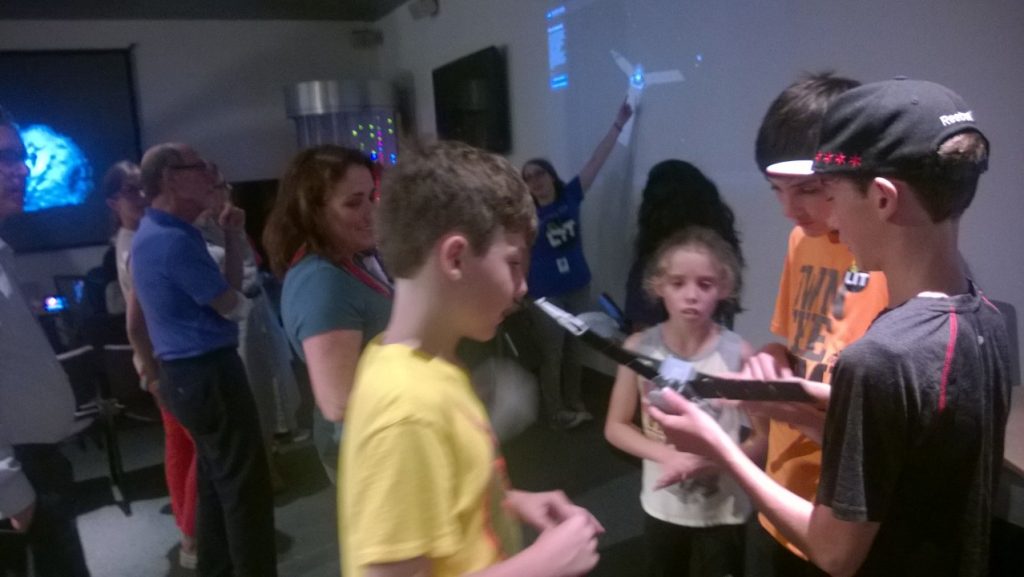
The Space Visualization Laboratory . Adler Planetarium . Chicago IL . 2007
The Space Visualization Laboratory (SVL) is a hybrid data visualization laboratory and exhibit – at times used for content development and at other times opened up for the public to explore. The visualization devices included stereoscopic displays, virtual reality, tangible user interfaces, and more. The signature program of the SVL is Astronomy Conversations in which local astronomers used the SVL’s visualization devices to communicate their research to museum visitors. Here is an interview of me about the creation of SVL by Barry Joseph, and here is Barry’s companion blog post giving a rundown of the content of the SVL in 2013. This post by the Electronics Visualization Laboratory describes our partnership with the EVL in creating the laboratory.